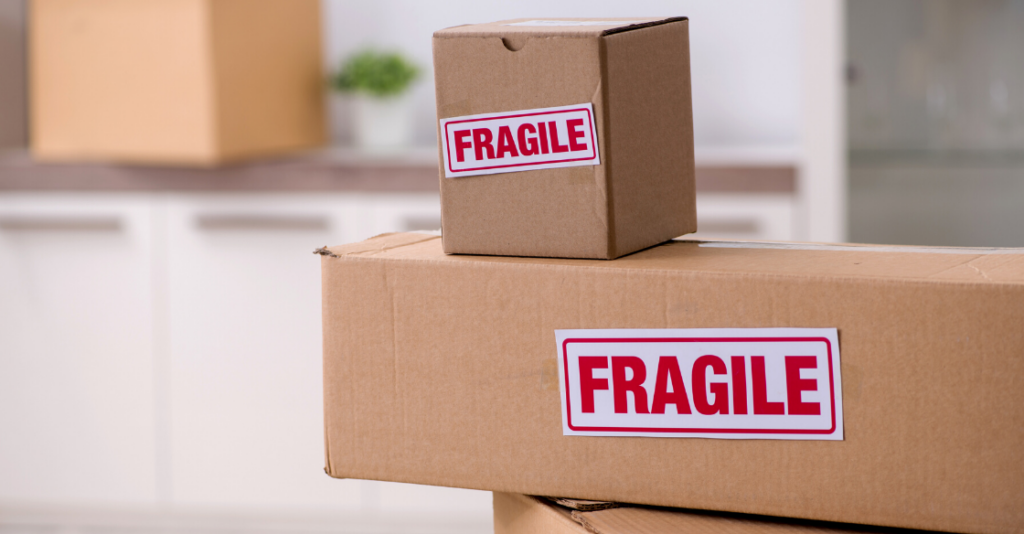
Moving to a new home or office is exciting yet stressful, especially when handling fragile items like glassware, antiques, electronics, and artwork. Fragile items need protection during transit to your new location. Whether moving yourself or hiring professional removalists, handling fragile items requires careful attention. Proper handling techniques will help you avoid damage while giving you more confidence.
This guide provides essential instructions for packing and transporting fragile items, which will help you through your moving process.
Use the Right Packing Materials
Using the right packing materials for fragile removals significantly reduces the risk of damage during transport. Here’s a breakdown of essential materials to use for the move:
Bubble Wrap and Foam
Bubble wrap encases delicate items before transporting them while it simultaneously absorbs impact forces that protect the objects. Encase glass vases alongside porcelain figurines with foam sheets which should then be further secured by bubble wrap to provide complete protection. The protective barrier emerges through the joint use of these materials.
Specialty Boxes for Fragile Items
Specialty designed boxes must be used specifically to protect delicate items like artwork along with mirrors and electronics. You need specialty boxes equipped with padding or partitions for moving delicate items without damage. A custom mirror box provides secure fitting capabilities while allotting extra space for packing materials.
Heavy-Duty Tape
Heavy-duty packing tape is essential to properly seal your boxes. All boxes carrying fragile items must receive secure sealing by using powerful packing tape with heavy durability. Additional support should be applied at both seams and edges to stop boxes from opening up during transportation. Each fragile box should display a “Handle with Care” label.
Properly Wrap Fragile Items
Proper wrapping is crucial for protecting fragile items from damage during a move. Here are a few strategies:
Wrap Glassware and Dishware Individually
Each glassware item and plate needs individual wrapping protection through bubble wrap or packing paper. Stack each dish on an edge instead of flat placement because this vertical position reduces their risk of breaking. A protective layer of crumpled paper should be placed at the bottom of the box to create a soft cushion base. Each plate should have a paper or cardboard between them to avoid plate-to-plate contact.
Use Protective Covers for Furniture
Furniture with delicate surfaces or upholstery, such as antique chairs or glass tables, should be wrapped with protective covers. These covers can be blankets or custom furniture pads designed to prevent scratches and dents. For extra precaution, wrap these items in plastic to shield them from moisture.
Use Cardboard for Fragile Artwork
For fragile artwork, such as paintings or framed pictures, protect the glass with painter’s tape (forming an “X” across the glass to prevent breakage) and wrap it in cardboard for extra protection. Additionally, consider purchasing custom artwork boxes for more delicate or valuable pieces.
Label Boxes Clearly
Correctly marking items proves to be a basic method that protects sensitive objects. Each box with delicate contents must display “FRAGILE” written in large, bold letters on the exterior surface. The correct placement of boxes becomes possible through “This Side Up” labels, which instruct handlers about box handling procedures. Additional instructions that state “Handle with Care” or “Keep Upright” should be written on boxes containing fragile glassware items. Maintaining an inventory log for fragile possessions will serve as a valuable reference list to monitor items from origin to destination.
Consider Hiring Experts for Fragile Removals
While packing fragile items yourself can save money, hiring fragile removalists may be your best option to ensure peace of mind. These experts are skilled in safely handling delicate belongings and use industry-standard packing techniques to minimise the risk of damage.
Why Hire Fragile Removalists?
Professional removalists have the experience and equipment necessary to transport fragile items safely. They can access high-quality packing materials and even provide custom boxes for specialty items like fine art, antiques, and electronics.
Hiring fragile removalists can also reduce the time and stress of packing and moving delicate items. They are trained to load and unload fragile items carefully and can ensure your belongings are adequately secured during transit. The best part? In Australia, you can get professional moving services at a reasonable cost, especially when you are moving your assets within the same state.
Expert Handling of Special Items
Fragile removalists are exceptionally skilled in handling large or cumbersome fragile items, such as pianos, large mirrors, or fine furniture. They also offer unpacking services, allowing you to place your delicate items in their new home with the utmost care.
Transporting Your Fragile Items
The process of transporting fragile items demands several essential elements regardless of local or interstate moves. These guidelines will help your fragile things reach their new home while remaining intact:
Ensure Proper Positioning in the Truck
When loading, you should stack fragile boxes above heavier items at the top of the moving truck. Heavy boxes or furniture should never be placed on top of fragile items because the downward force may cause them to collapse during transportation. Fasten each box with tie-down straps to stop them from moving or tipping because these actions might cause destruction.
Secure the Load
Tight packing of the contents inside the moving truck will prevent objects from moving during transport. Place furniture pads, blankets, and pillows between items to reduce movement during transport.
Unpacking and Handling Fragile Items
Upon arriving at your new location, unpack fragile items with the same care used during packing. Open boxes slowly and gently, starting from the top, and inspect each item for any signs of damage. Unpack delicate items onto soft surfaces, such as a bed or carpet, to reduce the risk of harm. After unpacking, inspect each item for any potential damage incurred during transit. If any items are damaged, take the necessary steps to repair them promptly.
Wrapping Up
Removing fragile items throughout a move requires strategic planning, appropriate materials, and step-by-step procedures. These guidelines can help you decide whether to do the work yourself or hire expert fragile removalists to ensure the safe transportation of delicate items.
Using appropriate packaging supplies, organised box identification, and professional assistance will decrease the chance of item damage during moving activities.