
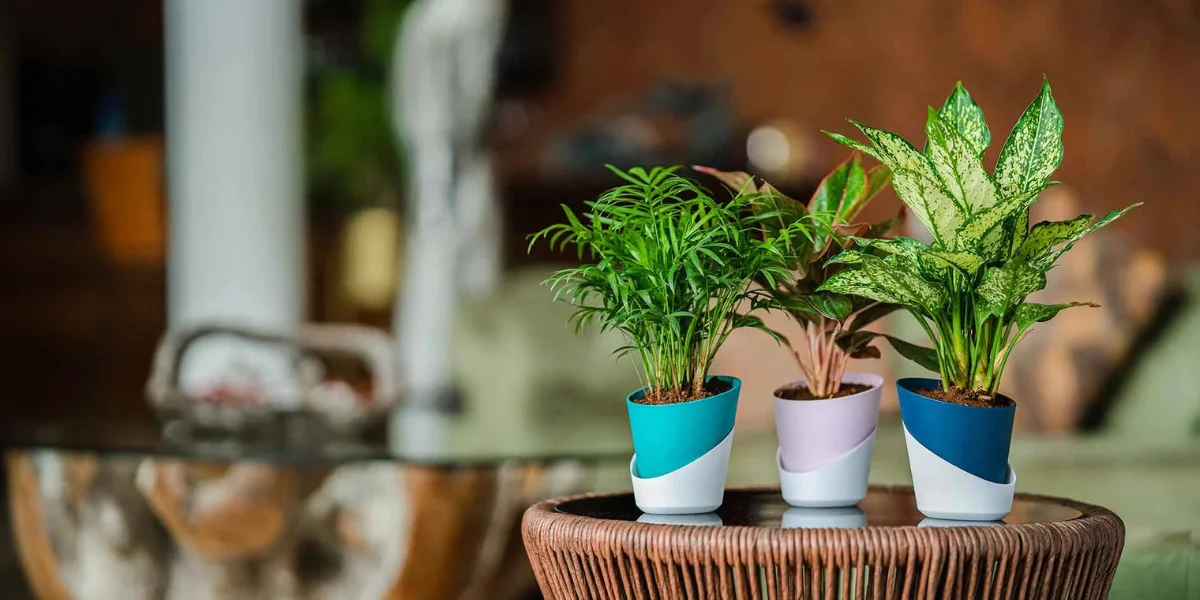
In the world of modern gardening, convenience and efficiency are key. With busy schedules, the traditional method of daily watering can become a time-consuming task. That’s where self-watering plant containers come in. These containers provide a sustainable, low-maintenance solution for gardening enthusiasts of all levels. Whether you’re a seasoned gardener or a beginner, self-watering containers offer the perfect balance between convenience and healthy plant growth.
How Do Self-Watering Containers Work?
Self-watering containers are equipped with a sophisticated watering system that consists of two main components: a water reservoir and a capillary action or wick. The water reservoir sits at the bottom of the container, and through capillary action, water moves upwards into the soil, ensuring that plants receive consistent moisture. The beauty of this design is that it mimics the natural process of soil moisture absorption, keeping the roots hydrated without the risk of waterlogging or overwatering.
The key feature that makes self-watering containers so efficient is their ability to provide plants with water only when needed. The soil remains moist, not soaked, and the plant roots can access water from the reservoir at their own pace. This is ideal for plants that require consistent moisture but may struggle with irregular watering schedules.
Why Choose Self-Watering Containers?
- Convenience: One of the primary reasons gardeners turn to self-watering containers is convenience. These containers require much less frequent watering, making them perfect for busy individuals or those who travel often.
- Water Efficiency: Self-watering systems use water more efficiently than traditional watering methods. The water reservoir ensures that the plant gets a steady supply without waste, reducing the chances of evaporation and runoff.
- Improved Plant Health: Many plants thrive in environments where moisture levels remain consistent. By ensuring a steady, controlled water supply, self-watering containers promote healthier, more robust plant growth.
- Reduced Risk of Overwatering: Overwatering is a common issue in gardening, often leading to root rot or fungal growth. Self-watering containers eliminate this risk by regulating the amount of water the plants receive.
The Different Types of Self-Watering Containers
When it comes to selecting self-watering containers, there are several types available, each offering unique features that cater to different needs and preferences.
- Traditional Planter with Water Reservoir: These are the most common type of self-watering containers. They look similar to regular planters but come with an integrated water reservoir at the bottom. The water is absorbed into the soil through a wick, ensuring that the plant gets just the right amount of moisture.
- Hanging Self-Watering Baskets: These are perfect for small outdoor spaces such as balconies, patios, or even windowsills. The self-watering mechanism ensures that hanging plants get the right amount of water without requiring constant attention.
- Vertical Planters: Vertical self-watering pots are great for people who don’t have a lot of room. You can stack these pots on top of each other to make a vertical garden. Each level has its own watering hole.
- Self-Watering Window Boxes: These are specifically designed for windowsills, offering a great way to grow flowers, herbs, and small plants in a space-efficient manner. With their self-watering system, window boxes are perfect for individuals with smaller homes or apartments.
Best Plants for Self-Watering Containers
Self-watering containers are versatile and can accommodate a variety of plant types. However, some plants are particularly well-suited for self-watering systems due to their specific water needs.
- Herbs: A lot of herbs, like basil, mint, and parsley, do well in pots that water themselves. They need constant moisture but are easy to water too much, which makes this type of container perfect for them. You can be sure that your herbs get just the right amount of water to grow healthy and tasty with a self-watering system.
- Succulents: Succulents are known for their low water requirements, so they may not seem like the perfect candidate for self-watering containers. However, many succulents do well in these containers because the self-watering system prevents them from drying out completely.
- Flowers: Petunias, geraniums, and begonias are excellent choices for self-watering containers. These flowers require consistent moisture, which is easily provided by the water reservoir in the container.
- Vegetables: Certain vegetables, like lettuce, tomatoes, and peppers, can also thrive in self-watering containers. These plants require regular watering to produce a good harvest, and the steady moisture offered by these containers is perfect for their needs.
Factors to Consider When Choosing a Self-Watering Container
While self-watering containers are generally easy to use, there are several factors to consider when choosing the right one for your garden.
- Size and Depth: The pot should be the right size for the plant’s growth needs. For larger plants or those with deep roots, a larger container with a deeper reservoir is necessary.
- Material: Self-watering containers are available in various materials, including plastic, ceramic, and resin. Ceramic containers are visually appealing but can be heavier, while plastic containers are lighter and more affordable.
- Location: Think about where you’ll put the bottle that water itself. If it’s going to be outside, pick a case made of strong materials that can handle the weather.
- Aesthetic: Self-watering containers come in a range of styles, colors, and finishes. Choose one that complements your garden’s overall aesthetic, whether you’re looking for something sleek and modern or something more traditional.
Conclusion:
Self-watering plant containers offer a practical solution for gardeners who want to simplify their watering routine while ensuring their plants stay healthy and vibrant. With their easy-to-use design, water efficiency, and ability to reduce maintenance, these containers are perfect for anyone looking to make their gardening experience more manageable. Whether you’re growing herbs on your kitchen windowsill or cultivating flowers on your patio, a self-watering container can help you achieve a beautiful, thriving garden with minimal effort.


